
Loading
Source: concept2.com
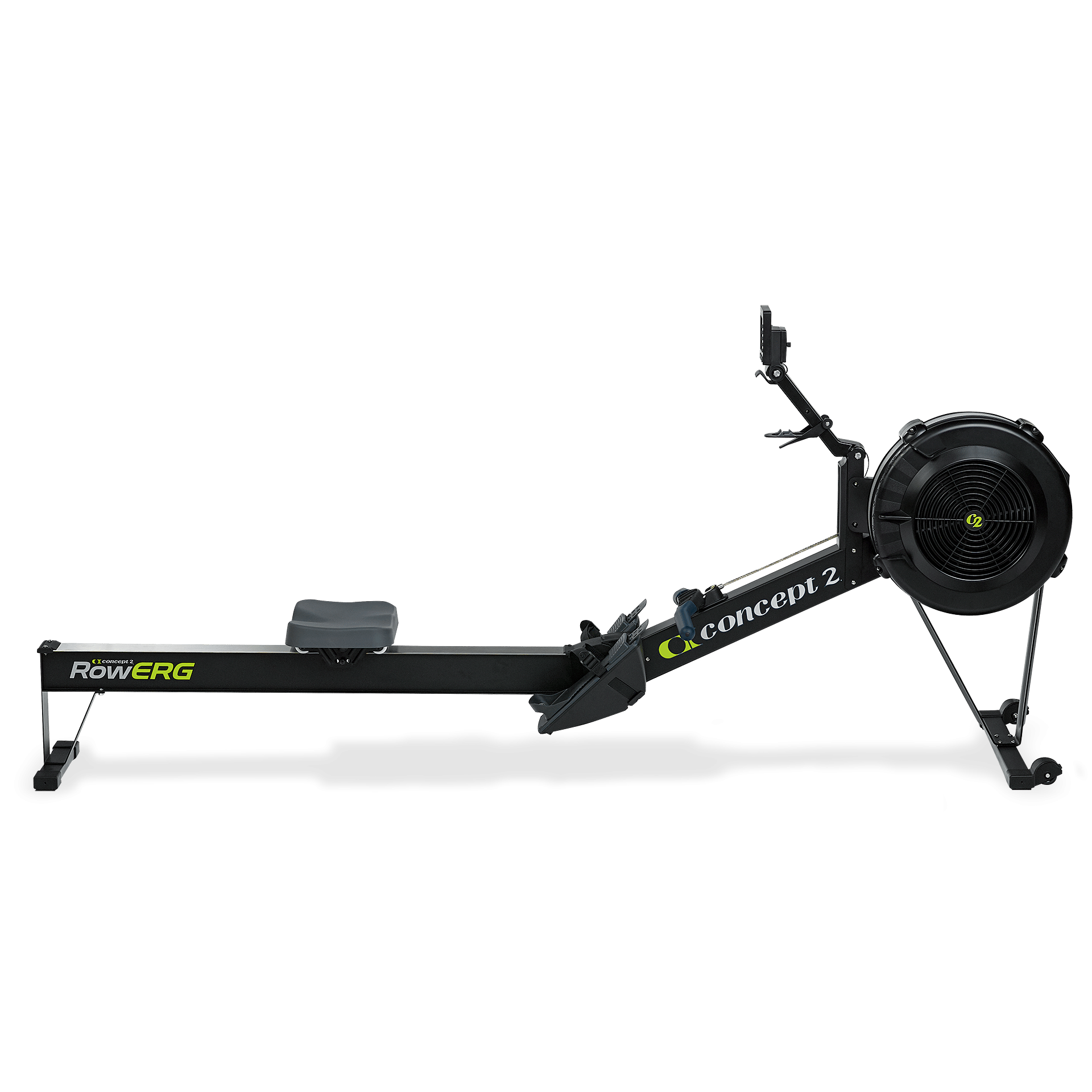
The RowErg is the rowing machine we would buy with our own money. It is durable, repairable, accurate and free of subscriptions, and its PM5 monitor gives numbers that mean the same thing on every erg in the world. The costs are noise, a 96 inch footprint and no built-in screen or coaching. If you need silence or guided classes, look elsewhere. Everyone else should start here.
Best for: Anyone who wants a long-lasting rower with no subscription
The Concept2 RowErg costs $990, needs no subscription and has barely changed in years. We rowed it against the smart rowers to see if the benchmark still earns the floor space.
We went looking for a reason to talk you out of the RowErg. Smart rowers now offer live classes, giant screens and electromagnetic brakes that hum instead of roar. Yet the plain black Concept2 with its tiny grey monitor is still the machine we keep reaching for, and it is the one we would tell a friend to buy.
The standard-leg RowErg is $990 from Concept2, or $1,155 with the 20 inch tall legs that are easier on knees and backs. Shipping adds $55 or $85 in the lower 48. Those figures come straight from the maker, and they are the whole bill. There is no membership, no account and no tablet to buy later.
The frame is aluminium with a nickel-plated steel chain, and the machine weighs 57 pounds (68 with tall legs). It holds a user up to 500 pounds. Warranty is two years on moving parts and the monitor, five years on the frame, plus a 30-day money-back guarantee.

Resistance comes from a caged fan. Pull harder and the air pushes back harder, so there is no resistance level to pick. A gentle 20 minute row and an all-out 500 metre sprint use the same machine. The damper lever only changes how heavy each stroke feels, a bit like choosing a gear on a bike.
That simplicity is why the numbers carry weight. Rowing clubs, universities and CrossFit boxes use the same monitor, so a 2,000 metre time from your garage is directly comparable with anyone else's.
This is the real cost. Independent reviewers put a hard row at roughly 70 to 75 dB near the flywheel, about the volume of a fan on high or a vacuum cleaner heard from the next room. The current RowErg is quieter than older Concept2 models, but it is not apartment-quiet. A sleeping child down the hall or a thin shared wall will rule it out.
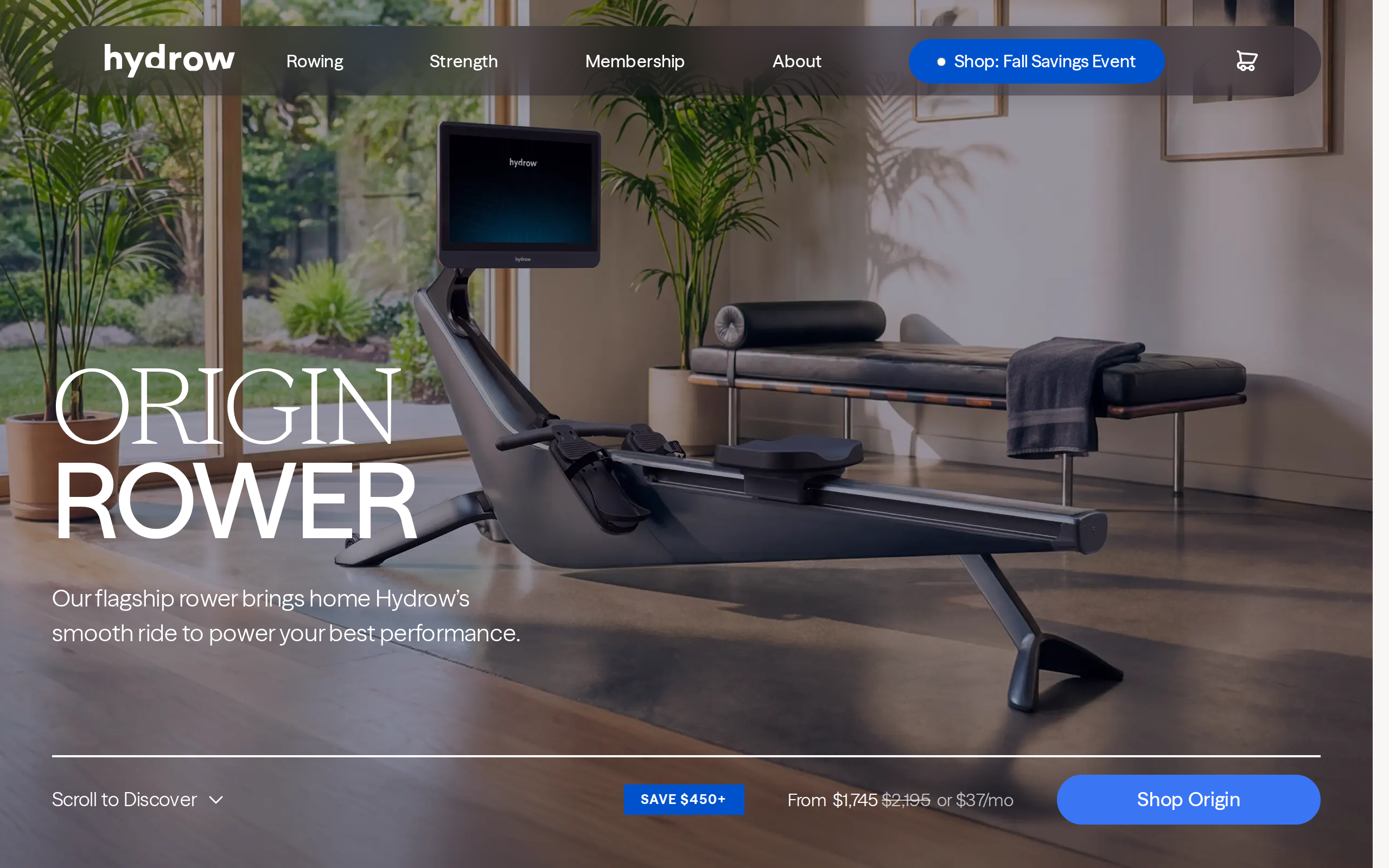
The Origin is the nicest rowing machine to live with: quiet enough for a flat with thin walls, smooth on the rail and backed by genuinely good classes filmed on real rivers. It is also more than twice the price of a Concept2 RowErg, needs a $50 monthly membership for anything beyond Just Row, and weighs 145 lb. Buy it only if noise and motivation are your problems. If they are not, the Concept2 does the exercise for less.
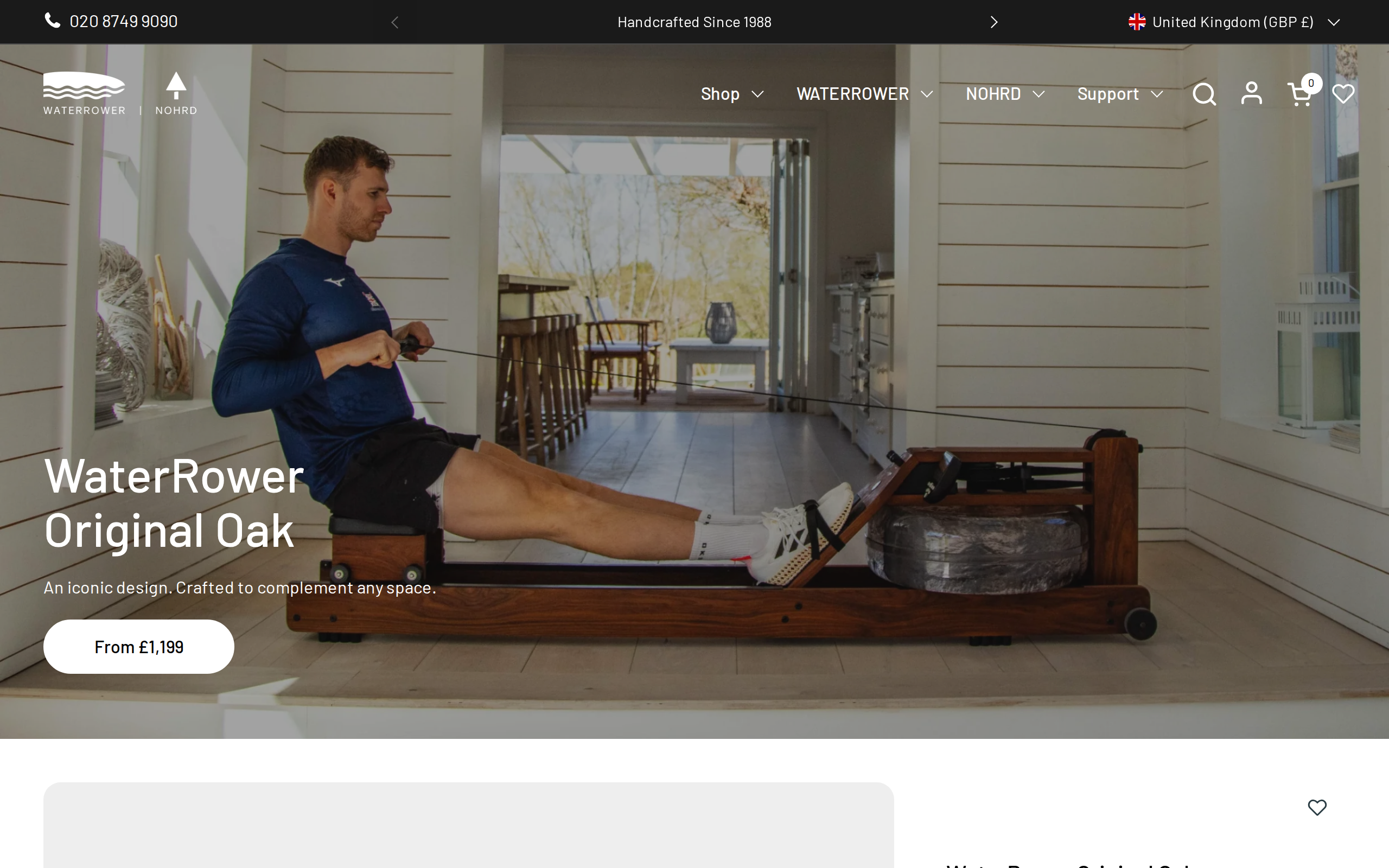
The WaterRower Original Oak is the rower to buy if the machine lives in a room people sit in. The water tank is quiet and smooth, the oak frame is good furniture, and it stands upright to store. The monitor is basic and the warranty is thin, so for pure performance per dollar the Concept2 still wins. Pick this one for looks, calm and a stroke that feels like a boat.
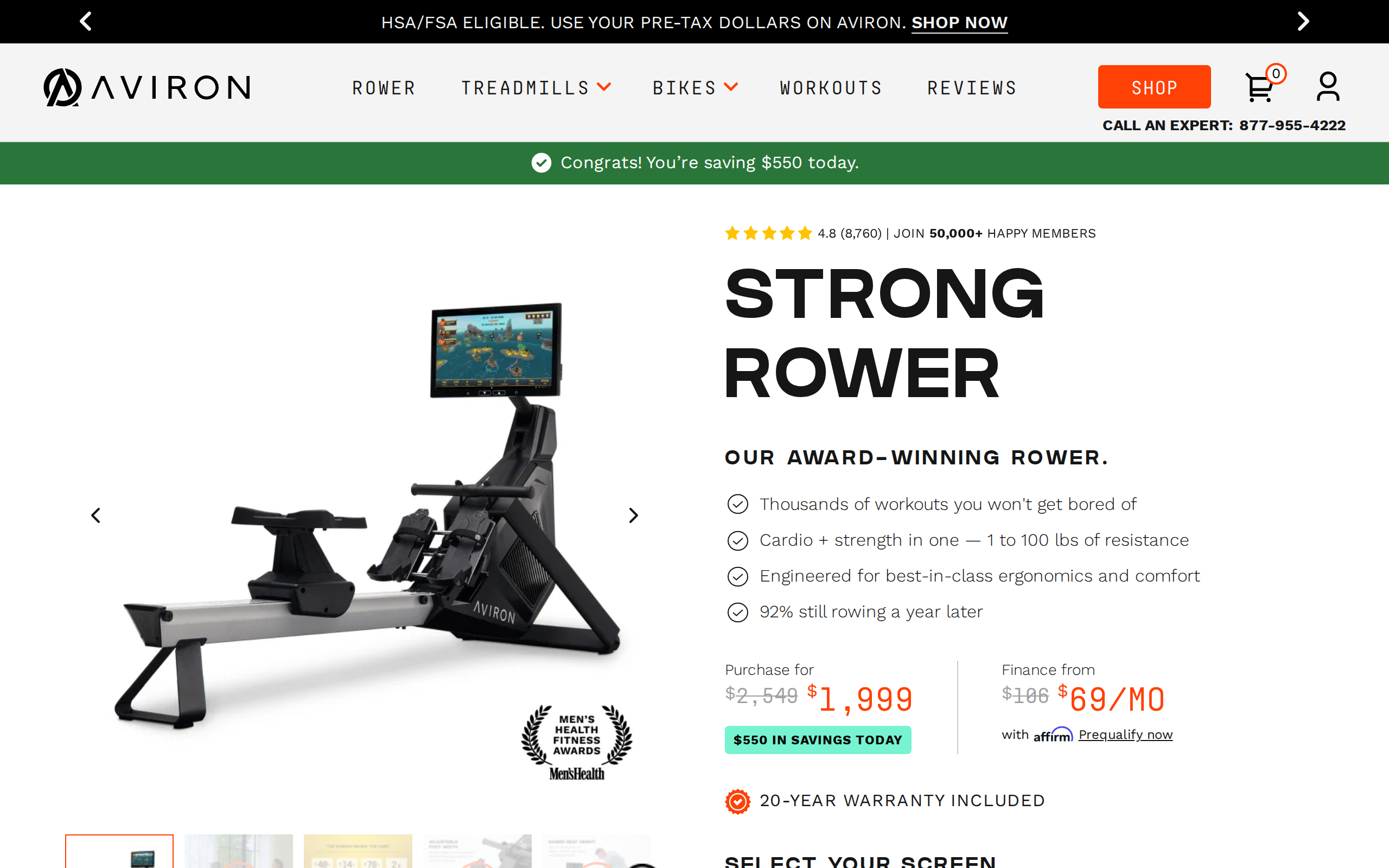
Aviron is the rower for people who get bored rowing. The air and magnetic hybrid gives a smooth stroke, up to 100 lb of resistance, and a 507 lb user limit, while the games and scenic rows are better than any class library we have tried on a rower. It also costs $1,999 on sale, needs a $29 monthly membership for its best content, and a Concept2 does the plain job for about half. Buy it if motivation is your problem, not budget.
Magnetic and water rowers are 12 to 16 dB softer according to the same published measurements. If you row at 6 a.m. in a flat, take that seriously.
Assembled, the RowErg is 96 inches long and 24 wide. That is a lot of room to leave out. The good news is that it splits into two pieces with a single thumbscrew and stands on its wheels, so it tucks into a 25 by 33 inch patch of floor that is 54 inches tall. Taller legs make that footprint 27 by 47 inches.
Upkeep is small. Put a few drops of 3-in-1 oil on the chain about every 50 hours, wipe the rail, and vacuum dust out of the flywheel cage now and then. The monitor runs on two D-cell batteries that the flywheel recharges as you row. Machines like this routinely last decades, which is why used ones still sell for about $700 to $850.
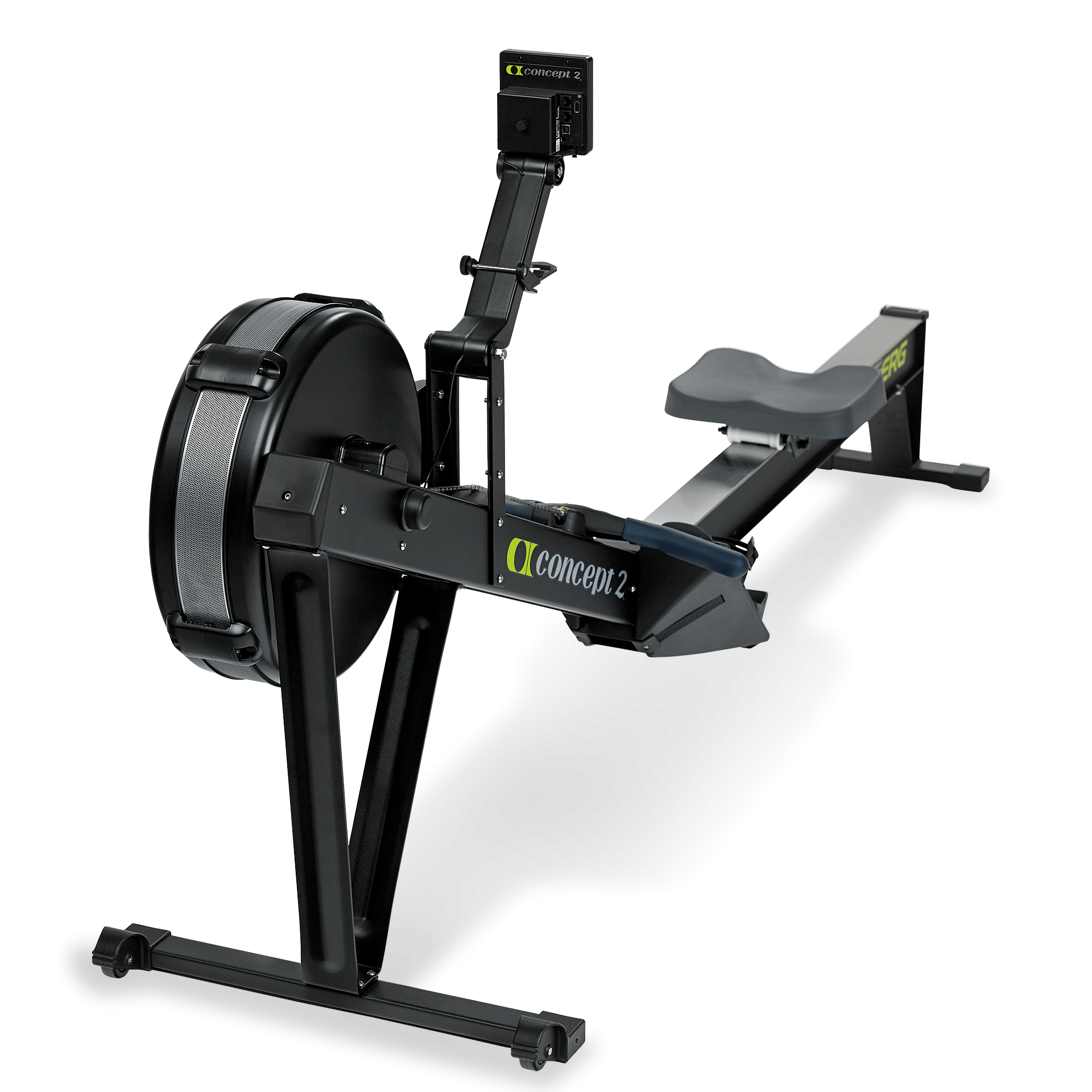
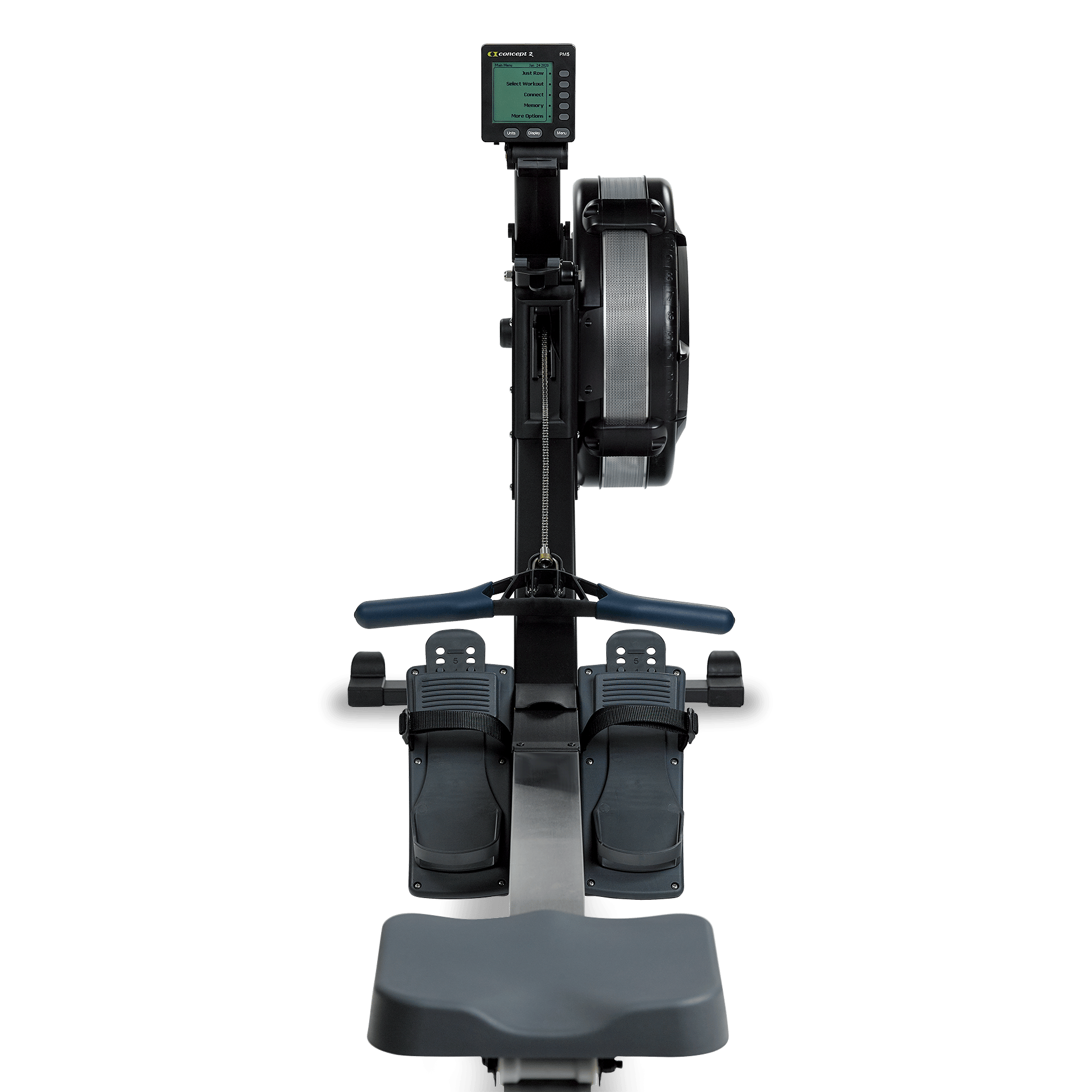
The PM5 monitor shows split time per 500 metres, watts, stroke rate, distance, calories and heart rate when paired with a strap. It has preset interval workouts, and it talks over Bluetooth and ANT+. The free ErgData app logs sessions to your online logbook. You can also pair it with third-party apps if you want classes, for example Hydrow's app (about $19.99 a month) or Ergatta's kit (about $24 a month), but those are optional extras.
A device holder is included, so a phone or tablet can sit on the monitor arm. What you do not get is a screen the size of a laptop or an instructor yelling encouragement. If you need that to row at all, the Hydrow Origin (around $2,195 plus $50 a month) or the Peloton Row will suit you better. In our view, they cost a lot more for a machine that is less likely to be working in ten years.
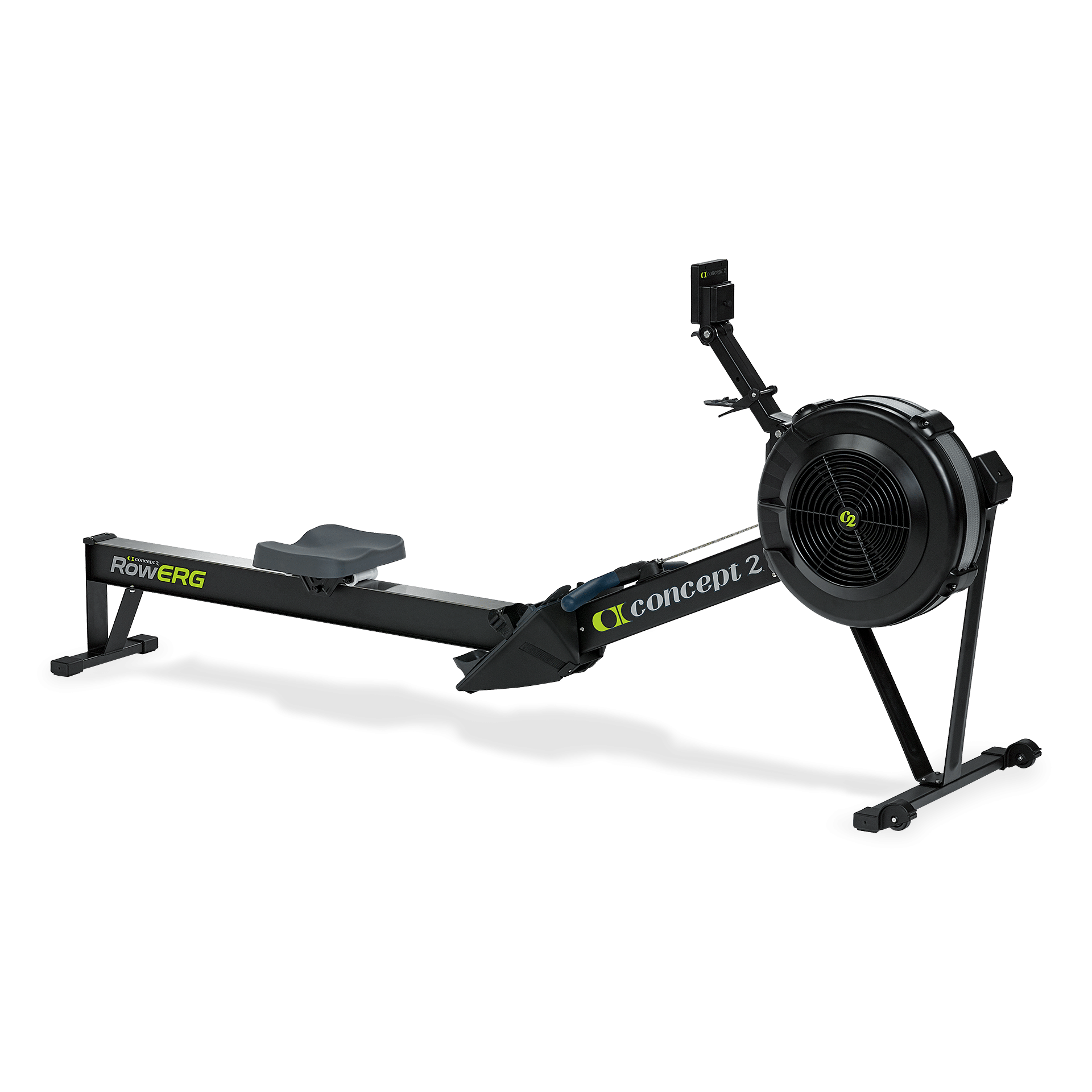
Buy the RowErg if you have a garage, spare room or even a hallway corner and you want a rower that you will still own in 2040. It suits runners adding low-impact cardio, lifters who want a conditioning tool, and anyone who has been burned by an app that stopped working.
Skip it if you live in a flat with sleeping neighbours, if you have under 10 square feet of floor you can spare, or if guided classes are the only reason you would get on the machine. For quiet rowing the WaterRower Natural, around $1,199, is the better answer, though it is bulkier and its monitor is far less useful.
Everyone else gets a better deal here than from any subscription rower: a machine that works as soon as it is bolted together and keeps working. That is rare, and it is why the RowErg earns a 9.1 from us.